
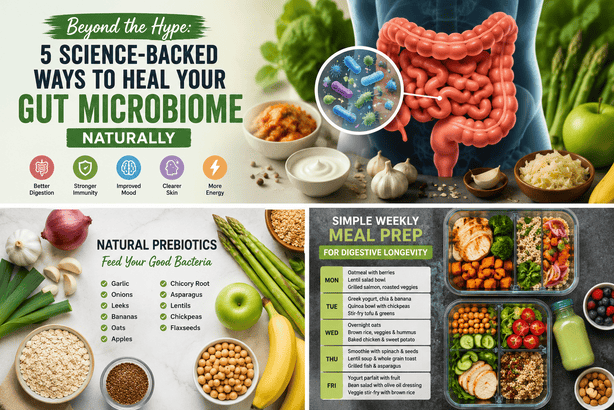
Beyond the Hype: 5 Science-Backed Ways to Heal Your Gut Microbiome Naturally
Your gut isn’t just responsible for digesting food—it influences your mood, immune system, skin health, energy levels, and even the way you think.
If you’ve been struggling with bloating, frequent stomach discomfort, low energy, acne, or unexplained fatigue, your gut microbiome could be sending you an important message.
The internet is filled with expensive supplements, detox teas, and miracle probiotic pills promising instant results. While some products have a place in a personalized health plan, the truth is that lasting gut health starts with consistent daily habits—not quick fixes.
The good news? You don’t need an expensive wellness retreat or a cabinet full of supplements to begin improving your digestive health.
Here are five science-backed lifestyle shifts that support a healthier gut microbiome naturally—and most of them start in your own kitchen.
Why Your Gut Health Affects More Than Digestion
Your digestive tract is home to trillions of microorganisms, including beneficial bacteria, fungi, and other microbes. Together, they form your gut microbiome—a living ecosystem that plays a vital role in overall health.
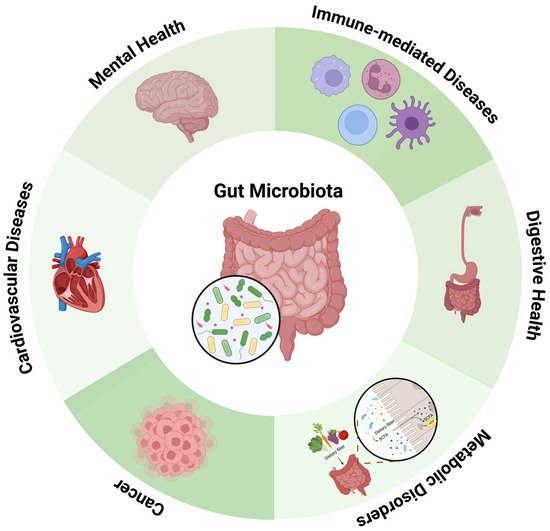
When these microbes are balanced, they help:
- Break down food efficiently
- Produce essential vitamins
- Support nutrient absorption
- Strengthen the immune system
- Protect against harmful bacteria
- Reduce inflammation
When that balance is disrupted, you may notice symptoms that seem unrelated to your stomach, including fatigue, poor concentration, skin issues, or changes in mood.
The Brain-Gut Axis: Why Your Stomach and Brain Constantly Communicate
Have you ever felt “butterflies” before a big presentation or lost your appetite during stressful times?
That’s the brain-gut axis in action.
Your brain and digestive system communicate through a complex network of nerves, hormones, and chemical messengers. A healthy gut microbiome helps produce compounds that influence mood, stress responses, and overall well-being.
Research also suggests that gut bacteria play a role in regulating inflammation and supporting immune function, which may indirectly affect skin health and energy levels.
Think of your gut as your body’s internal communication hub. When it’s healthy, many other systems work more smoothly.
1. Feed Your Good Bacteria Instead of Just Buying More
Many people immediately reach for probiotic supplements.
But probiotics need food to survive.
That food is called prebiotics—special types of dietary fiber that nourish beneficial gut bacteria.
Without enough prebiotic-rich foods, even high-quality probiotics may have limited long-term impact.
Everyday Kitchen Staples That Double as Natural Prebiotics
You don’t need specialty health foods.
Many affordable ingredients already support your microbiome:
- Garlic
- Onions
- Leeks
- Bananas (especially slightly green)
- Oats
- Apples
- Chicory root
- Asparagus
- Lentils
- Chickpeas
- Flaxseeds
Try adding at least two prebiotic foods to every main meal.
2. Eat More Variety, Not Just “Healthy” Foods
One of the biggest misconceptions about gut health is that eating the same “superfood” every day is enough.
Your gut bacteria thrive on diversity.
The wider the variety of plant-based foods you eat, the more diverse your microbiome can become.
Instead of focusing on one trendy ingredient, aim to rotate foods throughout the week.
For example:
Monday:
- Spinach
- Lentils
- Tomatoes
Tuesday:
- Broccoli
- Sweet potatoes
- Black beans
Wednesday:
- Carrots
- Brown rice
- Bell peppers
Small changes in variety can make a meaningful difference over time.
3. Fermented Foods Can Support a Healthy Microbiome
Traditional fermented foods naturally contain beneficial microorganisms that may complement a balanced diet.
Examples include: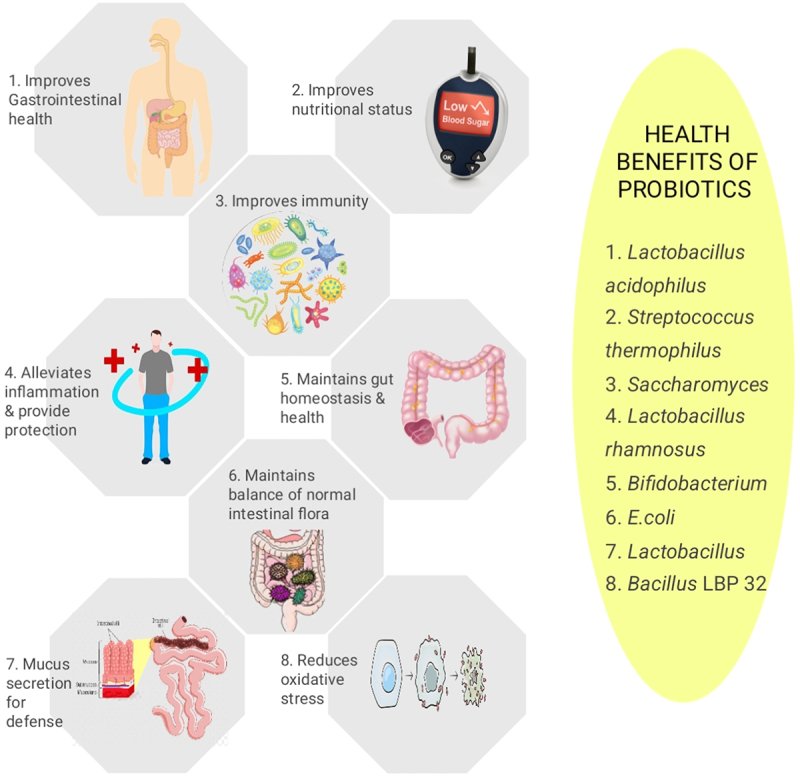
- Plain yogurt with live cultures
- Kefir
- Sauerkraut
- Kimchi
- Miso
- Tempeh
Choose products with minimal added sugar and enjoy them regularly rather than occasionally.
If you’re new to fermented foods, start with small portions to allow your digestive system to adjust.
4. Stress Management Is Gut Health, Too
You can eat perfectly balanced meals, but chronic stress can still disrupt digestion.
Stress may influence:
- Gut motility
- Appetite
- Digestive comfort
- Sleep quality
- Inflammation
Fortunately, supporting your gut doesn’t always require dramatic lifestyle changes.
Simple daily habits can help:
- Take a 10-minute walk after meals.
- Practice slow, deep breathing.
- Reduce screen time before bed.
- Spend time outdoors.
- Prioritize consistent sleep.
Healthy digestion begins long before food reaches your stomach.
5. Build Meals Around Fiber First
Instead of asking,
“What protein should I eat?”
Try asking,
“Where is the fiber in this meal?”
Dietary fiber is one of the most valuable nutrients for long-term digestive health.
Aim to include:
- Vegetables
- Fruits
- Whole grains
- Beans
- Seeds
- Nuts
A colorful plate usually supports a healthier microbiome than one filled mostly with highly processed foods.
Your Gut-Friendly Kitchen Starter Kit
Before buying expensive supplements, stock your pantry with these microbiome-supporting basics:
Fruits
- Apples
- Bananas
- Berries
- Oranges
Vegetables
- Garlic
- Onions
- Broccoli
- Spinach
- Carrots
- Asparagus
Whole Grains
- Oats
- Brown rice
- Quinoa
Protein Sources
- Lentils
- Chickpeas
- Beans
- Eggs
- Plain yogurt
Healthy Fats
- Olive oil
- Walnuts
- Almonds
- Chia seeds
- Flaxseeds
Simple ingredients often outperform expensive wellness trends when used consistently.
A Simple Weekly Meal-Prep Framework for Digestive Longevity
Meal prep doesn’t have to mean eating the exact same meal every day.
Instead, prepare versatile ingredients that can be mixed and matched.
Sunday Prep
Cook:
- Brown rice or quinoa
- Lentils or beans
- Roasted vegetables
- Grilled chicken, tofu, or fish
- Overnight oats
- Chopped salad ingredients
Stock your fridge with:
- Plain yogurt
- Fresh fruit
- Nuts
- Seeds
- Hummus
Monday to Friday Meal Ideas
Breakfast
Overnight oats with berries, chia seeds, and plain yogurt.
Lunch
Brown rice, roasted vegetables, chickpeas, spinach, and olive oil dressing.
Snack
Apple with almonds.
Dinner
Grilled salmon or tofu with broccoli, carrots, and quinoa.
Evening Option
A small serving of kefir or plain yogurt with flaxseeds.
This flexible framework saves time while providing your gut with a steady variety of fiber-rich, minimally processed foods.
Common Gut Health Mistakes to Avoid
Even healthy habits can miss the mark if these common pitfalls are overlooked:
- Depending only on supplements instead of improving your diet.
- Eating too little fiber.
- Consuming large amounts of ultra-processed foods.
- Skipping meals regularly.
- Staying dehydrated.
- Ignoring chronic stress.
- Changing your diet drastically overnight.
Sustainable improvements almost always outperform extreme detoxes or restrictive eating plans.
When to Seek Medical Advice
Digestive discomfort is common, but persistent symptoms deserve professional evaluation.
Consult a healthcare professional if you experience:
- Ongoing abdominal pain
- Blood in the stool
- Unexplained weight loss
- Persistent diarrhea or constipation
- Difficulty swallowing
- Symptoms that continue despite lifestyle changes
Natural strategies can support digestive wellness, but they are not a substitute for medical diagnosis or treatment.
The Bottom Line
Your gut microbiome responds to what you do every day—not just what you buy.
Rather than chasing the latest wellness trend, focus on the habits that consistently support digestive health:
- Eat a wide variety of fiber-rich plant foods.
- Include natural prebiotic and fermented foods.
- Manage stress and prioritize quality sleep.
- Stay physically active.
- Prepare simple, balanced meals ahead of time.
These small, science-informed choices can help support digestion, immunity, mood, and overall well-being over the long term.
The healthiest gut isn’t built in a weekend. It’s built meal by meal, habit by habit, one practical choice at a time.